
Commercial auto insurance for small business owners: what you need to know
Whether you are a contractor bringing equipment to the job site or have a crew driving vehicles your business owns, your personal car insurance likely won't cover accidents that happen to your vehicle while on the job. Commercial auto insurance is specifically for business owners, ensuring an accident doesn't drain your business finances. Read on to see if you need commercial auto coverage.
 12 min read
What is commercial auto insurance?
If your business relies on a vehicle to make money, even occasionally, your insurance needs are going to be a little different than someone who just drives to the grocery store. Whether it’s a car you use for client meetings, a van packed with tools, or a few vehicles your team relies on every day, the way you use that vehicle matters. That’s where commercial auto insurance comes in. It’s designed to protect the vehicles that keep your business running when something unexpected happens.
The details can feel fuzzy if you’ve never looked into it before, but they’re easier to understand than you might think. Keep reading for a simple breakdown of how commercial auto insurance works and what small business owners should know before choosing coverage.
Who needs commercial auto insurance?
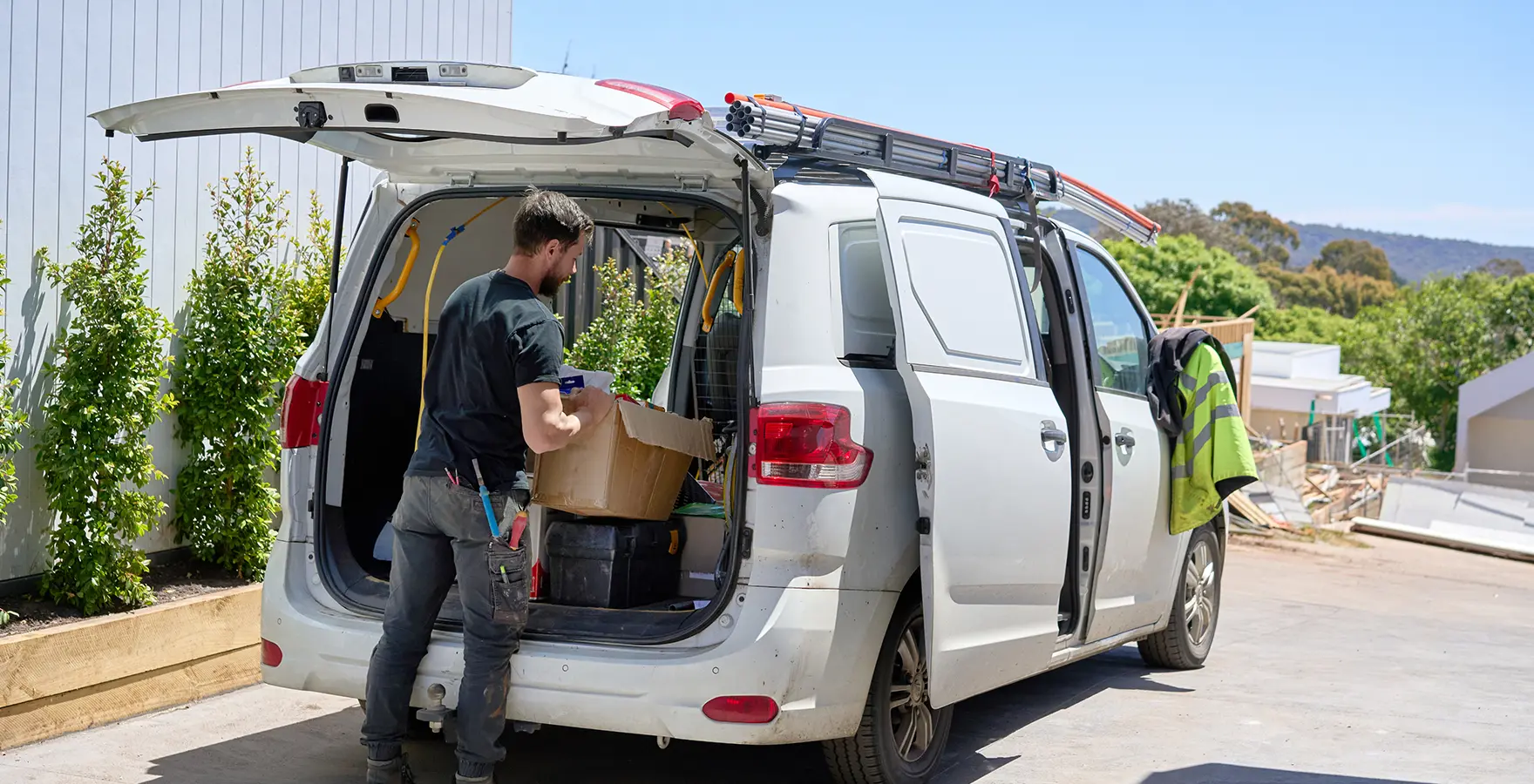
You might think commercial auto insurance is just for massive trucking fleets or delivery companies, but it is actually designed for a much wider range of drivers. Generally, if you or your employees use a vehicle to perform your job—beyond just commuting to work—you likely need this coverage.
It covers businesses of all sizes, from freelancers and independent contractors using their personal cars to large corporations managing a fleet of trucks.
Here are the specific types of professionals and businesses that typically rely on this insurance:
- Tradespeople and contractors: This is one of the most common groups. If you are an electrician, plumber, HVAC technician, carpenter, or painter, you need coverage for the vehicle that transports you and your expensive tools to job sites.
- Service providers: If your business involves going to the customer, this insurance is for you. This includes landscapers, snow plow services, cleaning crews, handypersons, and personal trainers.
- Food and delivery services: Vehicles used to move goods or food are prime candidates. This includes caterers, food truck operators, and wholesale businesses delivering goods.
Note that while it covers many delivery types, rideshare drivers (like Uber or Lyft) generally need a specific "rideshare insurance" policy rather than a standard commercial auto policy.
- Sales and real estate professionals: You don't have to drive a truck to need commercial coverage. Real estate agents, outside sales representatives, and even accountants who frequently drive to meet clients often need this protection because they are using their vehicles for business purposes.
- Businesses with employees: If you have a staff, this insurance is definitely for you. It can cover employees who drive company-owned vehicles, and it can even extend to cover employees who use their own personal cars to run business errands for you.
- People with an online side hustle: Many people assume "commercial insurance" is only for big companies with warehouses or fleets of trucks. For people with small, online businesses (like an Etsy store or soap-making side hustle), the answer depends on exactly what you are doing, but there are two main areas you should look at: your car and your business liability.
- Your car: If you’re using your personal car to pick up supplies, deliver packages to the post office, or make deliveries to local customers, you fall into a gray area that personal insurance often excludes. Commercial auto insurance covers freelancers and independent contractors who use their personal cars for business tasks.
- Your business liability: Beyond your car, "commercial insurance" also includes coverage for the business itself—something basic renter’s and auto insurance might not cover. Even for a small, home-based business, experts usually recommend general Liability Insurance. It is smart to chat with an AssuranceAmerica agent to see if you need a full commercial policy or if you just need to fill a few gaps in your current coverage.
What does commercial auto insurance cover?
Commercial auto insurance is designed to protect your business assets, employees, and vehicles from the specific risks that come with working on the road. While it shares some similarities with personal car insurance, it offers specialized protections tailored to business needs.
Here is a breakdown of what a standard commercial auto policy typically covers:
- It handles liability for accidents you cause if you or your employee is at fault in a crash.
- Bodily Injury liability pays for the other person’s medical bills or death benefits and usually provides for your legal defense if you are sued.
- Property Damage liability covers the costs if your vehicle damages someone else’s property, such as their car, a fence, or a building.
- It repairs or replaces your work vehicles. To protect your own fleet, you can add physical damage coverage.
- Collision coverage pays to repair your vehicle if it hits another car or object.
- Comprehensive coverage steps in for non-crash damage, such as theft, fire, vandalism, weather events like floods, or hitting an animal.
- It helps with medical costs for you and your team. Medical Payments (MedPay) coverage helps pay for medical bills and related expenses for you and your passengers after an accident, regardless of who was at fault. In some states, this is known as Personal Injury Protection (PIP), which can also cover lost wages and services like childcare while you recover.
- It protects you from drivers without insurance. Uninsured Motorist coverage pays for your injuries (and sometimes property damage) if you are hit by a driver who doesn't have insurance or is a hit-and-run driver. Underinsured Motorist coverage provides protection when the at-fault driver has insurance, but their limits are too low to cover the full extent of the damages.
- It covers vehicles you use but don't own. Businesses often need flexibility, and commercial policies can cover that.
- Hired auto coverage provides liability protection for vehicles you rent, lease, or borrow for business use.
- Employer non-owned auto coverage protects the business when employees drive their own personal cars to run errands or make deliveries for you.
Don't wait to get a real quote, fast.
Specialized add-ons for businesses
You can often add specific coverage for trailers, towing and labor for breakdowns, and reimbursement for a temporary vehicle while your work truck is being repaired. Some policies even offer pet protection to cover veterinary costs if a dog or cat traveling with you is injured in an accident.
- Renting vehicles: If you need to rent a vehicle for work, "Hired Auto Coverage" protects you while using that borrowed or rented truck.
- Keeping you on the road: You can add coverage to pay for a rental vehicle if yours is in the shop after an accident, as well as towing and labor costs if you break down.
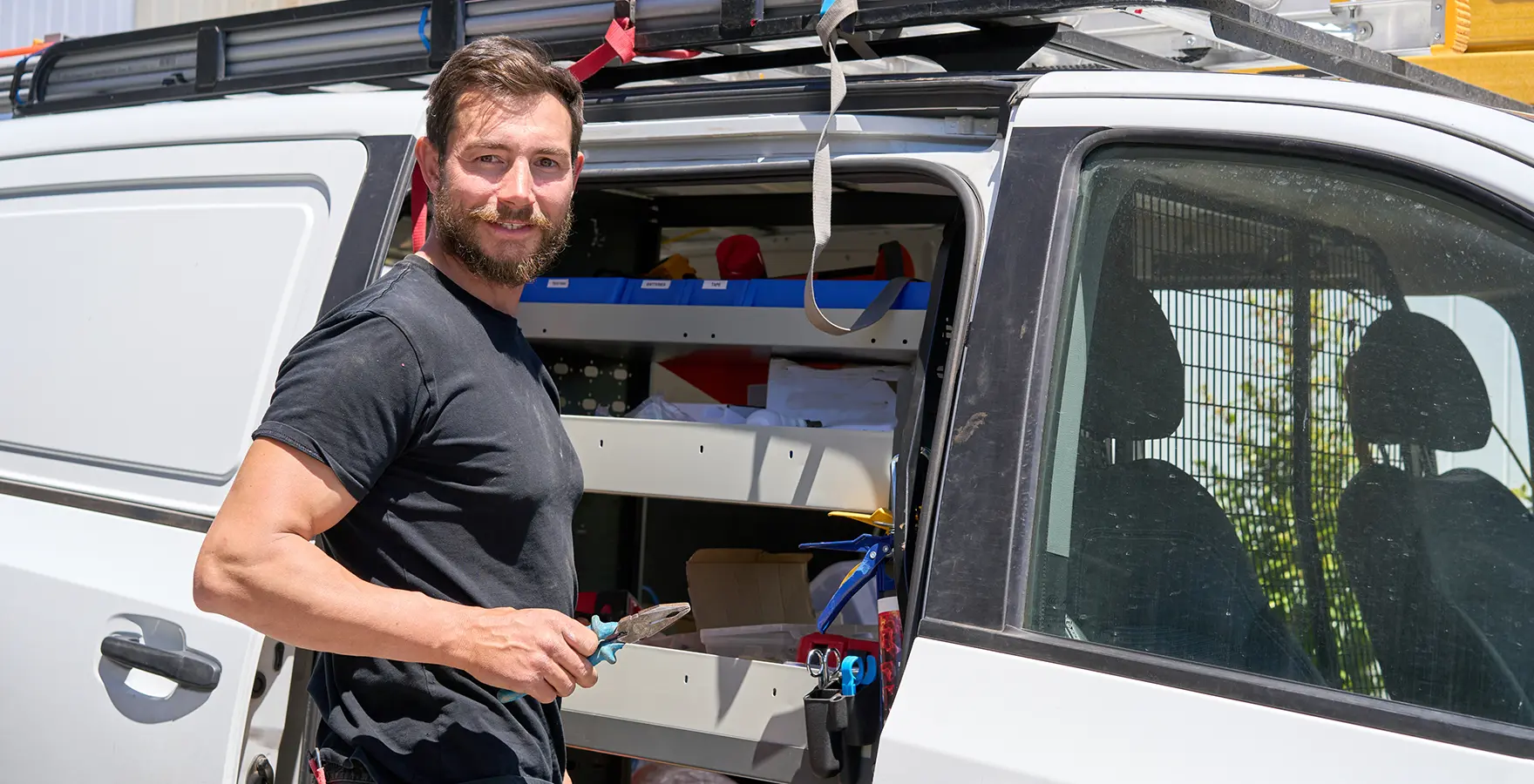
- Protecting equipment: If you have permanently attached equipment (like toolboxes or ladder racks), the policy can cover those items up to a certain value.
Final thoughts on “full coverage” car insurance
Remember, "full coverage" is just a nickname for bundling liability, collision, and comprehensive insurance, not a guarantee that everything is covered. Since these policies often exclude extras like towing or rental reimbursement, you should always verify your specific limits to avoid surprise costs later. To make sure you have the right protection for your needs, contact AssuranceAmerica to get more information from an agent.
How to lower your costs
Keeping insurance costs down is a priority for any business owner. The good news is that many of the strategies used to save on personal car insurance also apply here, along with a few specific tricks just for businesses.
Here are several practical ways you can lower your commercial auto insurance premiums:
1. Change how you pay
Insurers often offer "easy wins" for discounts just based on how you handle the bill. You can typically get a discount if you pay your entire premium up front (“Paid in Full” discount) rather than in monthly installments. Additionally, setting up Auto Pay (using a credit card or electronic funds transfer) can trigger another discount because it reduces administrative work for the insurance company.
2. Bundle your policies
Just like bundling home and auto, you can often save money by purchasing your commercial auto policy from the same company that handles your other business needs. Many insurers offer a Multi-policy discount if you combine your auto coverage with General Liability or a Business Owners Policy (BOP).
3. Go digital
Some carriers offer quick discounts for handling paperwork electronically. You might see savings for signing your documents electronically (eSignature discount) or for downloading the insurer's mobile app to manage your policy.
4. Hire safe drivers and monitor them
Your premiums are heavily influenced by who is behind the wheel. Drivers with a history of accidents or violations will drive up your rates. Maintaining an Accident & Violation Free record for a set period (often 36 months) can lead to significant discounts. Some insurers also offer safe driving programs (using telematics or plug-in devices) that monitor driving habits; participating in these programs can unlock extra savings and provide fleet efficiency data.
5. Keep your coverage continuous
Insurers prefer stability. You can often get a Prior Insurance savings or discount if you can prove you have maintained continuous coverage for the last 12 months without any lapses. Conversely, letting coverage lapse can disqualify you from certain discounts or coverage options.
6. Review your policy details annually
At renewal time, don't just auto-renew without looking at the fine print. You should review the following with your agent to ensure you aren't overpaying:
- Stated amount: Check the value listed for your vehicles. If your work truck has depreciated or is in worse condition than it was last year, updating its "stated amount" to reflect its current lower value could reduce your physical damage premium.
- Radius: Ensure your "radius of operation" is accurate. If you are driving shorter distances than previously estimated, let your agent know.
- Deductibles: Reviewing and potentially adjusting your deductibles can also impact your rate.
7. Consolidate your fleet
If your business has multiple vehicles, putting them all on a single fleet policy can sometimes offer cost savings compared to insuring them individually, while also streamlining your administrative work.
Commercial vs. personal auto insurance
Commercial auto insurance is different from personal auto insurance, even though they are both designed to protect your vehicle. Here are some of the biggest differences to help you understand how each can be right for you:
1. Getting to work vs. doing the work:
The biggest difference between commercial auto and personal auto insurance is what the vehicle is actually doing. If you use your car to earn money, you need commercial insurance. If you only use your car to drop the kids at school and go to the grocery store, personal auto insurance is for you.
2. The vehicles: Standard cars vs. "heavy duty":
Personal insurance is designed for standard cars, SUVs, and light trucks. Commercial insurance is built to handle a much wider (and heavier) range of vehicles.
3. The "add-ons": Equipment vs. just the car:
As mentioned above, when you crash a personal car, the insurance focuses on fixing the car's body and engine. Commercial insurance understands that a work truck is often a mobile toolbox.
4. The owner: You vs. the company
- Personal policies are almost always written in the name of an individual or a couple.
- Commercial policies allow the "owner" of the policy to be a Corporation, Partnership, or LLC. This separates your business liabilities from your personal finances.
Here’s a quick glance at the major differences between personal and commercial auto insurance:
| Feature | Personal auto insurance | Commercial auto insurance |
|---|---|---|
| FeaturePrimary Use | Personal auto insuranceCommuting, errands, family trips. | Commercial auto insuranceBusiness operations, deliveries, trade work. |
| FeatureWho Drives | Personal auto insuranceYou and your family. | Commercial auto insuranceYou and your employees. |
| FeatureVehicle Types | Personal auto insuranceStandard cars, pickups, SUVs. | Commercial auto insuranceIncludes Box trucks, Dump trucks, large vans (up to 16,000 lbs). |
| FeatureOwnership | Personal auto insuranceIndividuals. | Commercial auto insuranceCorporations, Partnerships, Sole Proprietors. |
| FeatureEquipment | Personal auto insuranceFactory parts only. | Commercial auto insuranceCan cover attached ladders, toolboxes, and racks. |
Protecting your livelihood
Getting the right protection for your business vehicles doesn't have to be complicated or time-consuming. If you’re ready to secure your fleet—or even just a single vehicle—AssuranceAmerica can help you find the commercial auto insurance policy that makes sense for you.

FAQs
Commercial auto insurance is a business vehicle policy that covers cars, trucks, and vans used for work-related purposes. Small business owners need it because personal auto insurance excludes accidents that happen during business operations. Without a commercial auto policy, your business could face significant out-of-pocket costs from liability claims, vehicle repairs, or lawsuits resulting from an on-the-job accident.
Commercial auto insurance is specifically designed to cover vehicles used for business purposes, offering higher liability limits and broader protection than a standard personal policy. Personal auto insurance policies typically exclude business-related driving, meaning a claim filed after a work-related accident could be denied. AssuranceAmerica's commercial auto coverage ensures your business vehicles and drivers are properly protected on the road.
Commercial auto insurance can cover a wide range of business vehicles, including company cars, pickup trucks, vans, box trucks, and service vehicles. Any vehicle primarily used for business purposes — from making deliveries to transporting tools and equipment — typically qualifies for a commercial vehicle insurance policy. AssuranceAmerica can help small business owners find coverage that fits their specific vehicle type and industry.
The cost of commercial auto insurance for small businesses depends on several factors, including the number and type of vehicles insured, the driving records of employees, the nature of your business, annual mileage, and the coverage limits you choose. Small business owners with clean driving histories and well-maintained fleets often qualify for more competitive commercial auto insurance rates through AssuranceAmerica.
When an employee causes an accident while driving a company-owned vehicle during work hours, your commercial auto insurance policy is typically responsible for covering the resulting damages. This includes bodily injury liability, property damage, and medical expenses for those involved. AssuranceAmerica's commercial auto policies can also include hired and non-owned auto coverage for situations where employees use personal or rented vehicles for business tasks.